
What You Need to Know About Tax Preparation
Tax season comes with a lot to consider. Should you file your own taxes? If you do file your own, what tax preparation software should you use? If you choose to use a tax preparer instead, how do you find one, and how do you know if they’re a good fit for you?
This month, we’re covering the basics of all these options. Taxes are different for everyone, but this overview will get you started no matter your situation.
Should I file my own taxes?
The short answer is, it depends on your situation and comfort level.
If you’re an individual with just a W-2 income, you should be able to file your own tax return using tax software without a problem. Most programs are interview-style and guide you step by step.
If you’re a sole proprietor or a single-member LLC, your business income is reported on Schedule C as part of your personal 1040. If you’re comfortable reading instructions, working with numbers, and spending the time, you can likely handle it yourself.
If you’re an S corporation or partnership (including multi-member LLCs), I recommend hiring a professional. These entities file separate business returns (Form 1120S or 1065), and the rules are more complex. While it’s not illegal to file them yourself, the risk of mistakes increases significantly.
No matter your business structure, if the thought of reading tax rules and working through forms stresses you out, it may be worth paying a professional. Your time and mental energy have value. Even I pay someone else to do my taxes because my time is better spent running my business.
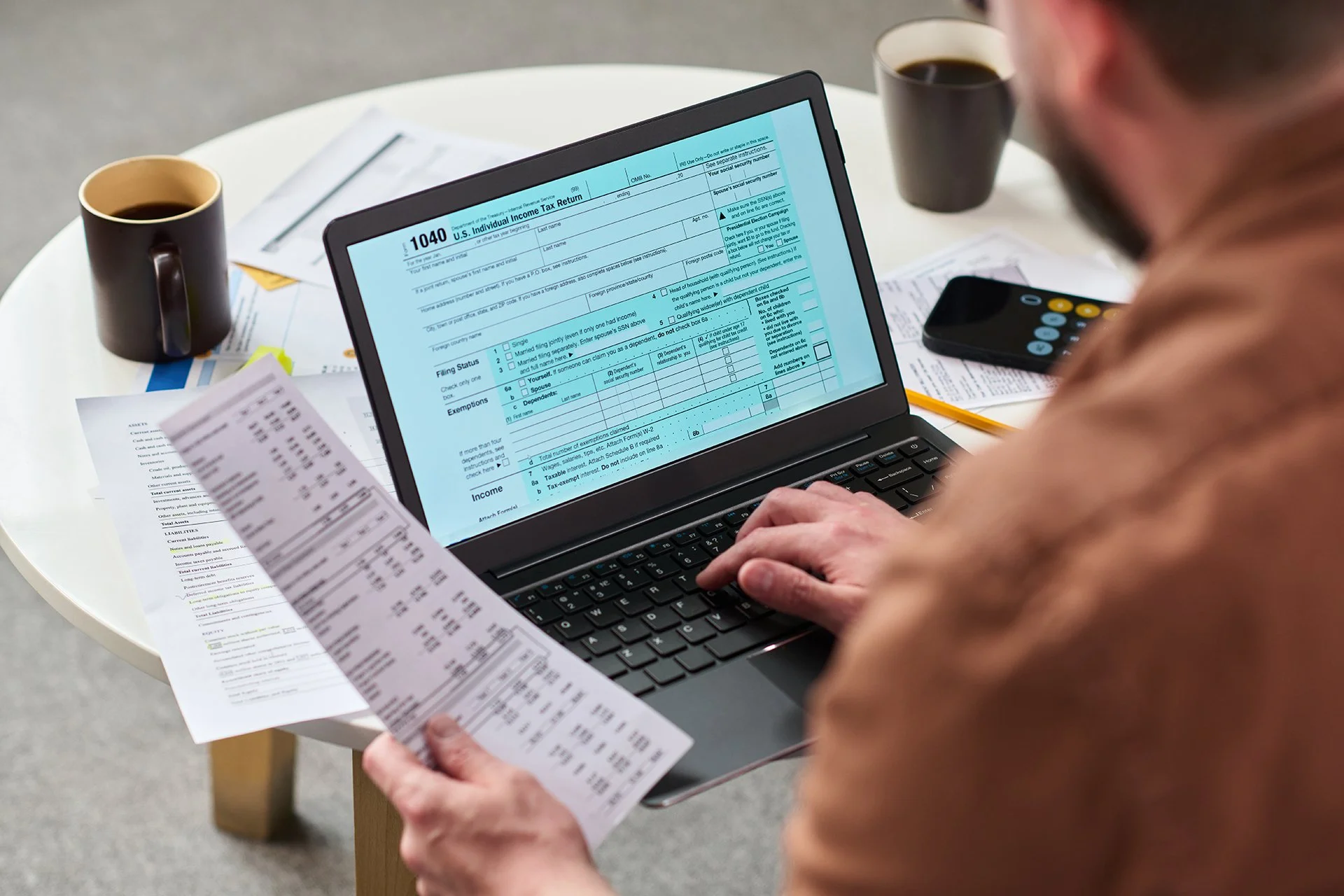
What should I look for when finding a tax preparer?
There are three main qualities I suggest you keep an eye out for when seeking a tax preparer. The first is industry experience. It’s helpful to find a tax preparer who has worked with businesses like yours. Someone familiar with your niche will know the right questions to ask, common deductions, and typical issues.
Second, check for credentials and experience. There’s no required license to prepare income tax returns, meaning anyone can legally charge to file taxes. Because of that, it’s very important to do your research, ask questions, and check client reviews.
And finally, don’t forget the importance of personality and rapport. You’ll be sharing sensitive financial information, so you should choose a tax preparer you can trust and feel comfortable asking questions. Even if someone is technically excellent, they may not be the right fit if communication feels frustrating.
What qualifications should I look for in a tax preparer?
If do any digging, you’ll notice there’s a variety of credentials a tax preparer might have. Many people start by looking for a CPA. CPAs are highly trained and licensed by the state, and many are incredibly knowledgeable tax preparers. However, it’s important to note that not all CPAs prepare taxes. Some work in other areas, like financial reporting or industry roles, and have little to no tax experience. A CPA license alone does not guarantee tax experience, so make sure the CPA you find offers tax preparation.
Enrolled Agents are a great alternative if you can’t find a CPA. They’re licensed by the IRS specifically to handle tax matters. They specialize in income taxes and often focus exclusively on tax preparation and representation.
Seasonal preparers include companies such as H&R Block, Jackson Hewitt, Liberty Tax, and even local companies. These companies train preparers internally, often through short-term training programs. They may be helpful for simple returns (W-2 income, standard deduction, no business), but aren’t ideal for more complex situations like business taxes.
Above all, be aware of potential fraud. Fraudulent preparers known as “Ghost Preparers” will complete returns but refuse to sign them, instead making the client sign them. Often, they’ve inflated refunds with false information. When the IRS discovers errors, the taxpayer who signed—not the preparer—is responsible. Don’t use anyone who won’t sign the return as the paid preparer.
How do I use tax preparation software?
If you decide to file your own taxes online, here are a few tips to make sure you don’t run into issues.
First, keep in mind that “Free” filing often isn’t truly free. Many software platforms advertise free filing, but typically only for very simple returns (W-2 income only). Even small additions, like $10 of interest income, can trigger paid upgrades.
Next, be cautious about paying fees out of your refund. Some companies offer to deduct their fees from your refund, but they may charge an additional “bank fee” for that convenience. Pay the software fee upfront to avoid extra charges.
And finally, when you file, enter your W-2 information exactly as it appears. If a box on your W-2 is blank, leave it blank in the software. Don’t enter zeros or select options that don’t apply. Filling in certain options can cause major issues. The best way to avoid these is to stick to exactly what your W-2 shows you.
With this information, you’ll be off to a good start in finding the right tax preparation method for you. And if you’re looking for an even smoother tax season, bookkeeping can help. Schedule a free consultation to find out how we can make a difference, in this tax season and year-round!